



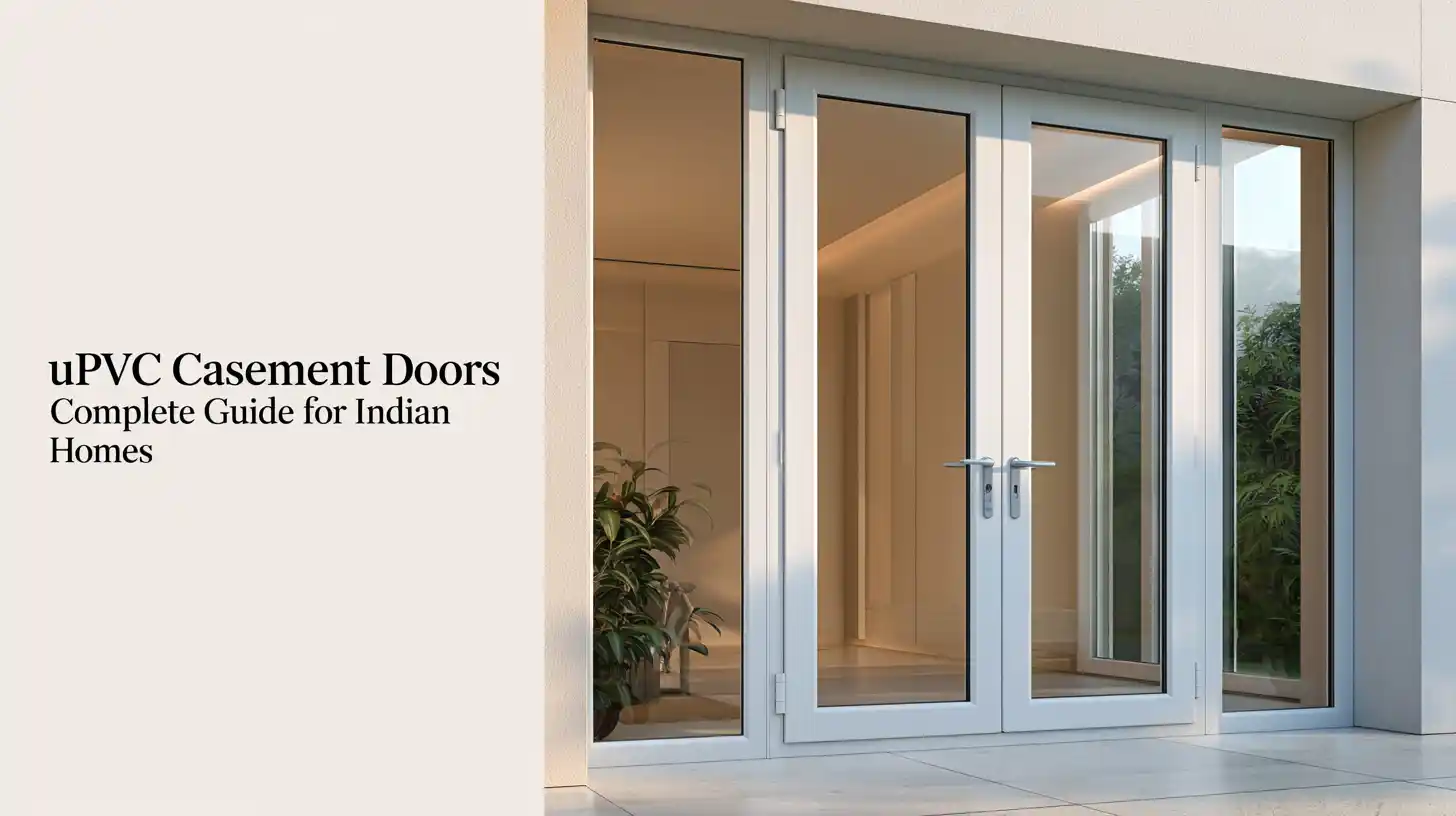
uPVC Casement Doors: Complete Guide for Indian Homes
When building or renovating a house in India, choosing the right doors is very important. Many people are now choosing uPVC casement doors for their homes. These doors are strong, look modern, and handle the Indian weather very well.
Whether you live in a noisy city or a place with heavy rains, these doors can make your life easier. They are used in many parts of the house, from the bedroom to the balcony. In this guide, you will learn everything about uPVC casement doors. We will cover their benefits, how they work, different glass options, and how to pick the best one for your home.
What Are uPVC Casement Doors?
First, let us understand the name. "uPVC" stands for unplasticized Polyvinyl Chloride. In simple words, it is a kind of strong plastic that does not bend or break easily. It is much stronger than the plastic used in toys.
A "casement door" is a door that is attached to the frame by hinges on the side. It opens like a normal room door—it swings inward or outward. Unlike sliding doors, these open fully, which lets in more fresh air and light.
At ENMAKK, we manufacture these uPVC and Aluminium Door & Window Systems to help Indian homeowners get a durable and stylish solution for their houses.
How Do uPVC Casement Doors Work?
uPVC casement doors are simple to use. They have a frame that is fixed to your wall. The door itself is attached to this frame using strong metal hinges.
When you turn the handle, the door swings open on its hinges. To close it, you simply pull or push the door back into the frame. Most of these doors use a "multi-point locking system." This means the door locks at several points along the frame, not just in the middle. This makes the door very secure and keeps it tight against the wind and rain.
Key Features of uPVC Casement Doors
To understand why these doors are good, you should know what makes them special. Here are the main features:
- Strong uPVC Profiles: The frames are made of thick uPVC. Inside, they often have steel or metal supports to make them even stronger.
- Multi-point Locking: As mentioned before, these locks grip the frame at multiple spots. This keeps the door safe from intruders.
- Glass Options: You can choose different types of glass based on your needs, like clear glass for light or frosted glass for privacy.
- Weather Sealing: The doors have special seals. These act like a shield to stop rain and dust from coming inside.
- Gaskets: These are rubber-like strips. They fill the gaps between the door and the frame so that air does not leak.
- High-Quality Hinges: The hinges are made of rust-proof materials. This ensures the door opens and closes smoothly for many years.
- Low Maintenance: You do not need to paint them every few years. A simple wipe with a cloth is usually enough.
Benefits of uPVC Casement Doors for Indian Homes
Indian homes face many challenges, like extreme heat and heavy monsoons. Here is how uPVC casement doors for home help:
1. Weather Resistance
uPVC does not rot like wood. It does not rust like iron. This makes it perfect for the Indian climate. It can handle the hot sun and heavy rain without changing shape or color.
2. Rain Protection
During the monsoon, rain can sometimes leak through old doors. uPVC doors have tight seals and gaskets. These help keep the rain outside and your floors dry.
3. Heat Insulation
India can get very hot. uPVC does not let heat pass through easily. This helps keep your rooms cooler in the summer, which can also lower your AC bills.
4. Noise Reduction
If you live near a busy road, you know how loud it can be. These doors can help reduce outside noise when the door, glass, seals, and installation are properly selected. It makes your home a peaceful place.
5. Energy Efficiency
Because they block heat and cold air, your home maintains its temperature better. This means your heater or cooler does not have to work as hard.
6. Durability
These doors last a long time. They do not get attacked by termites, which is a big problem for wooden doors in India.
7. Better Security
With strong frames and multi-point locks, uPVC doors for Indian homes are very hard to break into. This gives you and your family peace of mind.
8. Modern Look
They have clean lines and a smooth finish. They make any home look modern and fresh.
Where Can You Use uPVC Casement Doors?
You can install these doors in many areas. The design you choose should depend on how you use the room:
- Balcony: Use them here to let in a lot of light and air. They keep the rain out during the monsoon.
- Bedroom: These are great for bedroom entrances or for doors leading to a private porch. They help keep the room quiet.
- Living Room: A large uPVC casement door can connect your living room to a garden or patio, making the room feel bigger.
- Patio or Garden: Since they are weather-resistant, they are perfect for exterior use.
- Utility Area: Use them for the kitchen or laundry area. They are easy to clean and do not get damaged by moisture.
- Main Entrance: In some designs, they can be used as a main door, provided they have the right security features.
uPVC Casement Doors for Indian Weather
Indian weather can be harsh. Let us look at how these doors handle it:
Strong Sunlight and Heat: The sun can make some materials crack or fade. High-quality uPVC is made to resist UV rays. This means it stays strong even under the bright Indian sun.
Monsoon Rain: Heavy rain and humidity can make wood swell. uPVC is waterproof. It will not swell, warp, or rot when it gets wet.
Dust and Humidity: In many Indian cities, dust is a big problem. The tight seals of uPVC doors stop dust from entering your home. This keeps your furniture cleaner.
It is important to remember that the performance depends on the quality. The right profile, the correct glass, and a professional installation are what make the door truly weather-resistant.
uPVC Casement Door Glass Options
The glass you choose changes how the door performs. Here are the common options:
- Single Glass: A single pane of glass. It is the most affordable option and lets in plenty of light.
- Double Glazing: Two panes of glass with a gap of air or gas between them. This is excellent for blocking noise and heat.
- Toughened Glass: This glass is treated to be very strong. If it ever breaks, it breaks into small, blunt pieces instead of sharp shards. It is very safe for homes with children.
- Laminated Glass: This is made of two layers of glass with a plastic film in between. It is very hard to break and provides great sound insulation.
- Frosted Glass: This glass is "cloudy." You can see light, but you cannot see through it. It is best for bathrooms or bedrooms where you need privacy.
Your choice depends on your budget and where the door is located. For example, use double glazing for a bedroom facing a noisy street, and frosted glass for a bathroom.
uPVC Casement Doors vs Aluminium Doors
Both materials are popular in India. Here is a simple comparison to help you choose:
Feature
uPVC Doors
Aluminium Doors
Material
Strong, reinforced plastic
Lightweight metal
Appearance
Smooth, modern, clean
Sleek, slim profiles
Maintenance
Very low (just wipe clean)
Low (may need occasional cleaning)
Insulation
Excellent (blocks heat/noise)
Moderate (needs a thermal break)
Strength
Very strong and durable
Strong and rigid
Weather Performance
Great for rain and humidity
Great, but can conduct heat
Cost Factors
Varies by profile and glass
Varies by thickness and finish
Best Use Case
Noise/heat control, homes
Large openings, commercial buildings
How Much Do uPVC Casement Doors Cost in India?
Many people ask about the uPVC casement door price. However, there is no single fixed price for every door. This is because every home has different needs.
The cost depends on several things:
- Door Size: Larger doors need more material and cost more.
- Profile System: Thicker and stronger frames cost more than basic ones.
- Glass Type: Double glazed or toughened glass is more expensive than single glass.
- Hardware: High-end locks and handles will increase the price.
- Number of Panels: A door with multiple panels will cost more than a single door.
- Colour: Standard white is usually the most affordable. Custom colours or wood-grain finishes may cost extra.
- Installation: The cost of fitting the door and the location of your home can affect the total price.
To get an accurate uPVC door price, it is best to share your measurements and requirements with a manufacturer like ENMAKK for a custom quote.
How to Choose the Right uPVC Casement Door
Buying a door is a big investment. Use this checklist to make sure you get the best one:
Check Profile Quality: Ask if the uPVC is high-quality and if it has steel reinforcement inside.
Choose the Right Glass: Pick glass based on whether you need privacy, safety, or noise reduction.
Check Hardware: Open and close the door. The handle should feel sturdy, and the hinges should move smoothly.
Check Locking Points: Ensure the door has a multi-point locking system for better security.
Check Weather Seals: Look for the rubber gaskets. They should be tight and cover all gaps.
Check Installation: Make sure the installer uses the right tools. A poorly fitted door will leak air and noise.
Ask About Warranty: A good manufacturer will give you a warranty on the profile and hardware.
Compare Quotations: Get a few quotes. Look at what is included (glass, hardware, installation) before deciding.
Check After-Sales Support: Ask if the company helps with repairs or servicing later.
Choose a Reliable Manufacturer: Pick a company with a good reputation for quality and honesty.
uPVC Casement Door Maintenance
One of the best uPVC doors advantages is that they are very easy to keep clean. Here are some simple tips:
- Clean the Frame: Use a soft cloth and mild soap water to wipe the frames every few weeks.
- Clean the Glass: Use a glass cleaner and a lint-free cloth to keep the windows sparkling.
- Keep Hardware Clean: Occasionally wipe the handles and hinges. If they feel stiff, you can use a tiny bit of lubricant.
- Check the Seals: Every few months, check the rubber gaskets. If they look worn out, they can be replaced.
- Avoid Harsh Chemicals: Never use strong acids or abrasive scrubbers. These can scratch the uPVC surface.
- Professional Service: Once a year, you can have a professional check the locks and alignment.
Are uPVC Casement Doors Good for Indian Homes?
Yes, they are a great choice for most Indian homes. They solve many common problems like termites, rain leaks, and city noise.
Who should consider them? If you want a door that lasts long, requires very little work, and helps keep your home cool and quiet, these are for you. They are especially good for balconies and bedrooms.
What should you check before buying? Always check the quality of the uPVC profile and the reputation of the fabricator. Make sure the glass you choose matches your needs for privacy and safety.
Frequently Asked Questions About uPVC Casement Doors
What is a uPVC casement door?
It is a door made from strong, durable plastic (uPVC) that opens on hinges, swinging inward or outward.
Are uPVC casement doors good for Indian homes?
Yes. They handle heat, heavy rain, and dust very well, and they do not rot or rust.
Are uPVC casement doors suitable for balconies?
Yes, they are excellent for balconies because they block rain and noise while letting in plenty of light.
Are uPVC doors better than aluminium doors?
Neither is "better" for everyone. uPVC is usually better for noise and heat insulation, while aluminium is known for its slim, sleek look.
How long do uPVC casement doors last?
With basic care, high-quality uPVC doors can last for many decades.
Are uPVC casement doors low maintenance?
Yes. They do not need painting or polishing. Just regular cleaning with soap and water is enough.
What glass is best for uPVC doors?
It depends. Toughened glass is best for safety, double glazing is best for noise/heat, and frosted glass is best for privacy.
Are uPVC casement doors safe?
Yes. When they have multi-point locking systems and toughened glass, they are very secure.
How much does a uPVC casement door cost?
The price varies based on the size, type of glass, and hardware used. It is best to get a custom quote for your project.
How do I maintain a uPVC casement door?
Wipe the frames with a damp cloth, clean the glass, and avoid using harsh chemicals.
Ready to Upgrade Your Home?
Partner with ENMAKK, a trusted manufacturer of uPVC and Aluminium Door & Window Systems. Get expert consultation and a custom quote for your project today.
Indian homes face many challenges, like extreme heat and heavy monsoons. Here is how uPVC casement doors for home help:
1. Weather Resistance
uPVC does not rot like wood. It does not rust like iron. This makes it perfect for the Indian climate. It can handle the hot sun and heavy rain without changing shape or color.
2. Rain Protection
During the monsoon, rain can sometimes leak through old doors. uPVC doors have tight seals and gaskets. These help keep the rain outside and your floors dry.
3. Heat Insulation
India can get very hot. uPVC does not let heat pass through easily. This helps keep your rooms cooler in the summer, which can also lower your AC bills.
4. Noise Reduction
If you live near a busy road, you know how loud it can be. These doors can help reduce outside noise when the door, glass, seals, and installation are properly selected. It makes your home a peaceful place.
5. Energy Efficiency
Because they block heat and cold air, your home maintains its temperature better. This means your heater or cooler does not have to work as hard.
6. Durability
These doors last a long time. They do not get attacked by termites, which is a big problem for wooden doors in India.
7. Better Security
With strong frames and multi-point locks, uPVC doors for Indian homes are very hard to break into. This gives you and your family peace of mind.
8. Modern Look
They have clean lines and a smooth finish. They make any home look modern and fresh.
You can install these doors in many areas. The design you choose should depend on how you use the room:
- Balcony: Use them here to let in a lot of light and air. They keep the rain out during the monsoon.
- Bedroom: These are great for bedroom entrances or for doors leading to a private porch. They help keep the room quiet.
- Living Room: A large uPVC casement door can connect your living room to a garden or patio, making the room feel bigger.
- Patio or Garden: Since they are weather-resistant, they are perfect for exterior use.
- Utility Area: Use them for the kitchen or laundry area. They are easy to clean and do not get damaged by moisture.
- Main Entrance: In some designs, they can be used as a main door, provided they have the right security features.
Indian weather can be harsh. Let us look at how these doors handle it:
Strong Sunlight and Heat: The sun can make some materials crack or fade. High-quality uPVC is made to resist UV rays. This means it stays strong even under the bright Indian sun.
Monsoon Rain: Heavy rain and humidity can make wood swell. uPVC is waterproof. It will not swell, warp, or rot when it gets wet.
Dust and Humidity: In many Indian cities, dust is a big problem. The tight seals of uPVC doors stop dust from entering your home. This keeps your furniture cleaner.
It is important to remember that the performance depends on the quality. The right profile, the correct glass, and a professional installation are what make the door truly weather-resistant.
The glass you choose changes how the door performs. Here are the common options:
- Single Glass: A single pane of glass. It is the most affordable option and lets in plenty of light.
- Double Glazing: Two panes of glass with a gap of air or gas between them. This is excellent for blocking noise and heat.
- Toughened Glass: This glass is treated to be very strong. If it ever breaks, it breaks into small, blunt pieces instead of sharp shards. It is very safe for homes with children.
- Laminated Glass: This is made of two layers of glass with a plastic film in between. It is very hard to break and provides great sound insulation.
- Frosted Glass: This glass is "cloudy." You can see light, but you cannot see through it. It is best for bathrooms or bedrooms where you need privacy.
Your choice depends on your budget and where the door is located. For example, use double glazing for a bedroom facing a noisy street, and frosted glass for a bathroom.
Both materials are popular in India. Here is a simple comparison to help you choose:
| Feature | uPVC Doors | Aluminium Doors |
|---|---|---|
| Material | Strong, reinforced plastic | Lightweight metal |
| Appearance | Smooth, modern, clean | Sleek, slim profiles |
| Maintenance | Very low (just wipe clean) | Low (may need occasional cleaning) |
| Insulation | Excellent (blocks heat/noise) | Moderate (needs a thermal break) |
| Strength | Very strong and durable | Strong and rigid |
| Weather Performance | Great for rain and humidity | Great, but can conduct heat |
| Cost Factors | Varies by profile and glass | Varies by thickness and finish |
| Best Use Case | Noise/heat control, homes | Large openings, commercial buildings |
Many people ask about the uPVC casement door price. However, there is no single fixed price for every door. This is because every home has different needs.
The cost depends on several things:
- Door Size: Larger doors need more material and cost more.
- Profile System: Thicker and stronger frames cost more than basic ones.
- Glass Type: Double glazed or toughened glass is more expensive than single glass.
- Hardware: High-end locks and handles will increase the price.
- Number of Panels: A door with multiple panels will cost more than a single door.
- Colour: Standard white is usually the most affordable. Custom colours or wood-grain finishes may cost extra.
- Installation: The cost of fitting the door and the location of your home can affect the total price.
To get an accurate uPVC door price, it is best to share your measurements and requirements with a manufacturer like ENMAKK for a custom quote.
Buying a door is a big investment. Use this checklist to make sure you get the best one:
One of the best uPVC doors advantages is that they are very easy to keep clean. Here are some simple tips:
- Clean the Frame: Use a soft cloth and mild soap water to wipe the frames every few weeks.
- Clean the Glass: Use a glass cleaner and a lint-free cloth to keep the windows sparkling.
- Keep Hardware Clean: Occasionally wipe the handles and hinges. If they feel stiff, you can use a tiny bit of lubricant.
- Check the Seals: Every few months, check the rubber gaskets. If they look worn out, they can be replaced.
- Avoid Harsh Chemicals: Never use strong acids or abrasive scrubbers. These can scratch the uPVC surface.
- Professional Service: Once a year, you can have a professional check the locks and alignment.
Yes, they are a great choice for most Indian homes. They solve many common problems like termites, rain leaks, and city noise.
Who should consider them? If you want a door that lasts long, requires very little work, and helps keep your home cool and quiet, these are for you. They are especially good for balconies and bedrooms.
What should you check before buying? Always check the quality of the uPVC profile and the reputation of the fabricator. Make sure the glass you choose matches your needs for privacy and safety.
Frequently Asked Questions About uPVC Casement Doors
Ready to Upgrade Your Home?
Partner with ENMAKK, a trusted manufacturer of uPVC and Aluminium Door & Window Systems. Get expert consultation and a custom quote for your project today.
