



uPVC Doors for Indian Homes: A Complete Guide to Selection, Installation, and Maintenance
Quick Summary: Why Choose uPVC Doors?
uPVC (unplasticized Polyvinyl Chloride) doors are the ideal choice for Indian homes because they are weather-resistant, termite-proof, and energy-efficient. Unlike wood, they don't warp in humidity, and unlike aluminium, they provide superior thermal insulation, keeping interiors cool during harsh Indian summers.
- Best For: High humidity, heavy rain, and extreme heat.
- Key Benefit: Zero maintenance (no painting or polishing needed).
- Longevity: UV-stabilized frames that don't fade or yellow.
Choosing the right door for your home is more than just an aesthetic decision; it is a long-term investment in your home's security, energy efficiency, and overall comfort. In India, where we face extreme climatic swings—from scorching heat and oppressive humidity to torrential monsoon rains—the materials used in our doors can either protect our interiors or become a source of constant repair.
For decades, homeowners relied on timber or aluminium. However, timber is prone to termite attacks and warping in humid conditions, while aluminium often fails to insulate against the heat. This is why uPVC doors for Indian homes have surged in popularity.
In this comprehensive guide, we will explore why uPVC is the gold standard for modern Indian architecture, the different types of doors available, and a practical roadmap to help you choose the best uPVC doors based on your specific needs and budget.
Table of Contents
What is uPVC? Understanding the Material
uPVC stands for unplasticized Polyvinyl Chloride. To put it simply, it is a high-strength, rigid form of plastic that has been specially formulated to be durable, weather-resistant, and long-lasting.
PVC vs. uPVC: What's the difference?
Many people confuse PVC with uPVC. While both are polymers, PVC (Polyvinyl Chloride) contains plasticizers to make it flexible (used in pipes, cables, and flooring). uPVC has those plasticizers removed, making it rigid and strong enough to be used for structural elements like door and window frames.
The Manufacturing Process
uPVC profiles are created through a process called extrusion. Raw uPVC compound is melted and pushed through a die to create a complex multi-chambered profile. These chambers are critical—they act as air pockets that provide superior thermal and acoustic insulation.
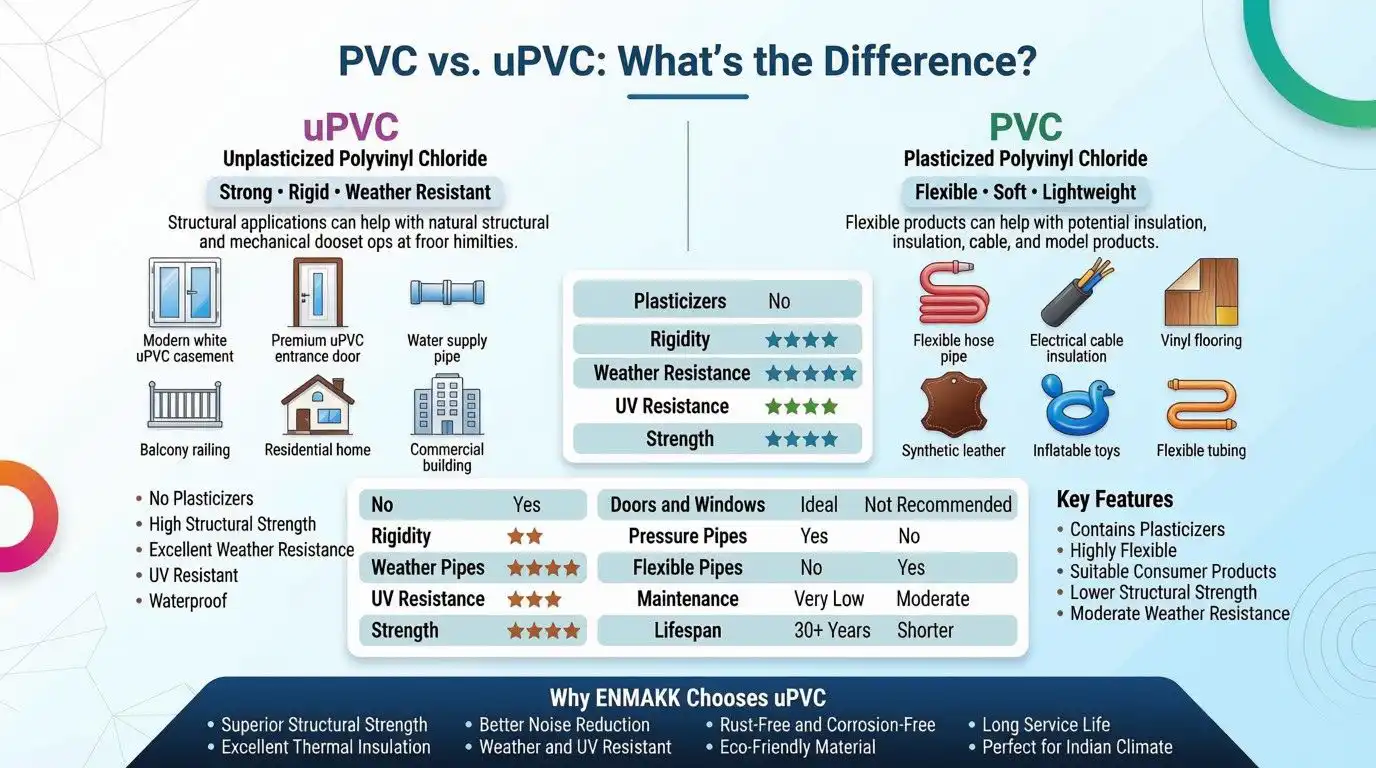
Because of this structure, uPVC does not rot, rust, or corrode, making it the most logical choice for the humid and salty air found in Indian coastal cities like Mumbai, Chennai, or Kolkata.
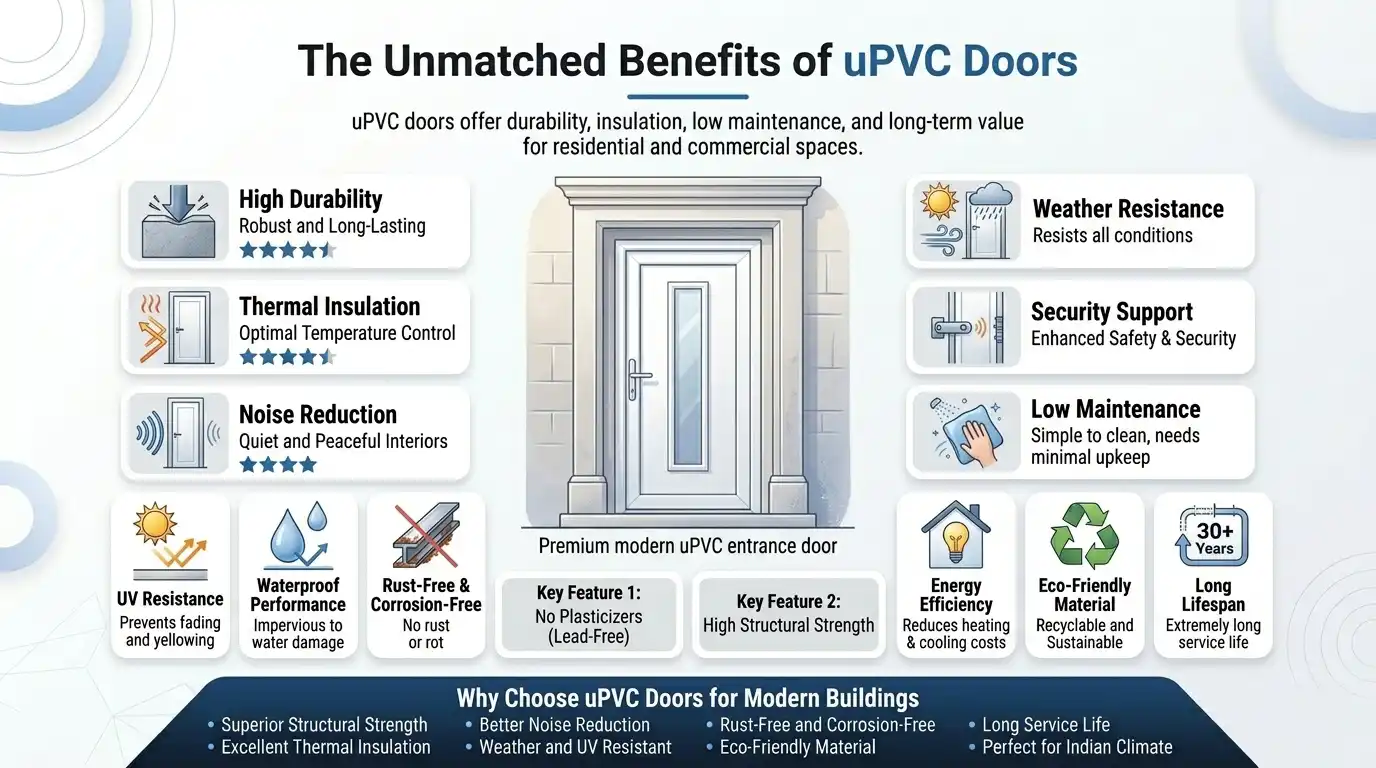
The Unmatched Benefits of uPVC Doors
When comparing door materials, uPVC consistently outperforms tradition for modern residential and commercial spaces. Here is a detailed breakdown of the advantages:
Heat Insulation
The multi-chambered profiles block heat transfer, keeping your rooms cool and reducing AC energy consumption.
Sound Insulation
When paired with double glazing, uPVC doors significantly reduce street noise and traffic hum.
Weather Resistance
Resistant to UV rays and heavy rain; they won't warp, crack, or peel under the harsh Indian sun.
100% Waterproof
Perfect for bathrooms and kitchens where moisture and steam are constant.
Termite Proof
Unlike wooden doors, uPVC is completely immune to termites and borers.
Fire Retardant
uPVC is naturally self-extinguishing and does not support combustion.
Expert Tip: Look for UV-Stabilized profiles. Cheaper uPVC can yellow over time, but premium profiles use titanium dioxide to ensure the white colour remains crisp for decades.
Types of uPVC Doors for Every Space
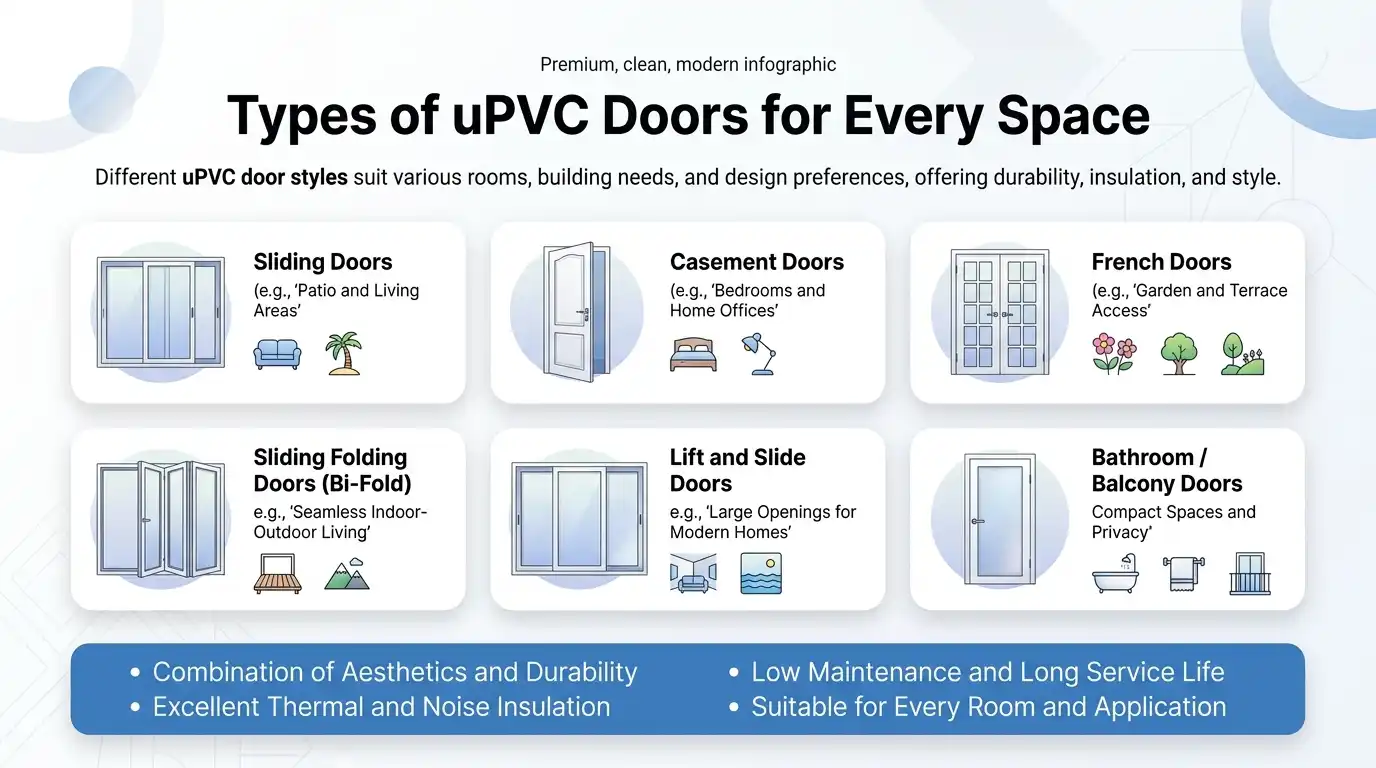
Not every room requires the same type of door. Depending on the available space, ventilation needs, and security requirements, you can choose from several configurations:
Casement Doors
Hinged doors that open outward. They offer the best airtight seal and maximum security for main entrances.
Sliding Doors
Panels that slide horizontally. Ideal for space-saving and connecting living rooms to balconies.
French Doors
Elegant double-door openings that provide a classic look and a wide entrance to patios or gardens.
Slide & Fold (Bi-fold) Doors
Panels that fold back like an accordion. These create a seamless transition between indoor and outdoor spaces.
Lift & Slide Doors
A premium mechanism where the door lifts off its track to slide effortlessly, providing a massive seal against wind and noise.
Balcony & Bathroom Doors
Compact, moisture-resistant designs specifically tailored for high-humidity areas.
uPVC Doors for Indian Homes - A Complete Guide
Selecting the proper doors for your home is a long-term decision that affects comfort, maintenance and energy efficiency. For Indian homes that can withstand extreme heat and humidity levels as well as heavy rainfall and daily wear and tear. PVC doors offer durable yet cost-effective solutions.
uPVC doors are specifically designed to withstand various climate conditions, while remaining beautiful for years. Plus, uPVC doors add value and beauty to your home by making it more stylish and secure.
Practical Considerations for Homeowners
- Main Entrance: Use Casement or French doors for maximum security and a grand look.
- Bedroom to Balcony: Sliding or Bifold doors allow you to enjoy the view without wasting floor space.
- Bathroom/Washroom: Use uPVC for 100% waterproof performance, preventing the rot common in wooden doors.
Common Buying Mistakes
- Choosing cheap profiles that yellow in the sun.
- Ignoring the quality of hardware (handles/locks).
- Hiring untrained local carpenters for installation.
White uPVC Door
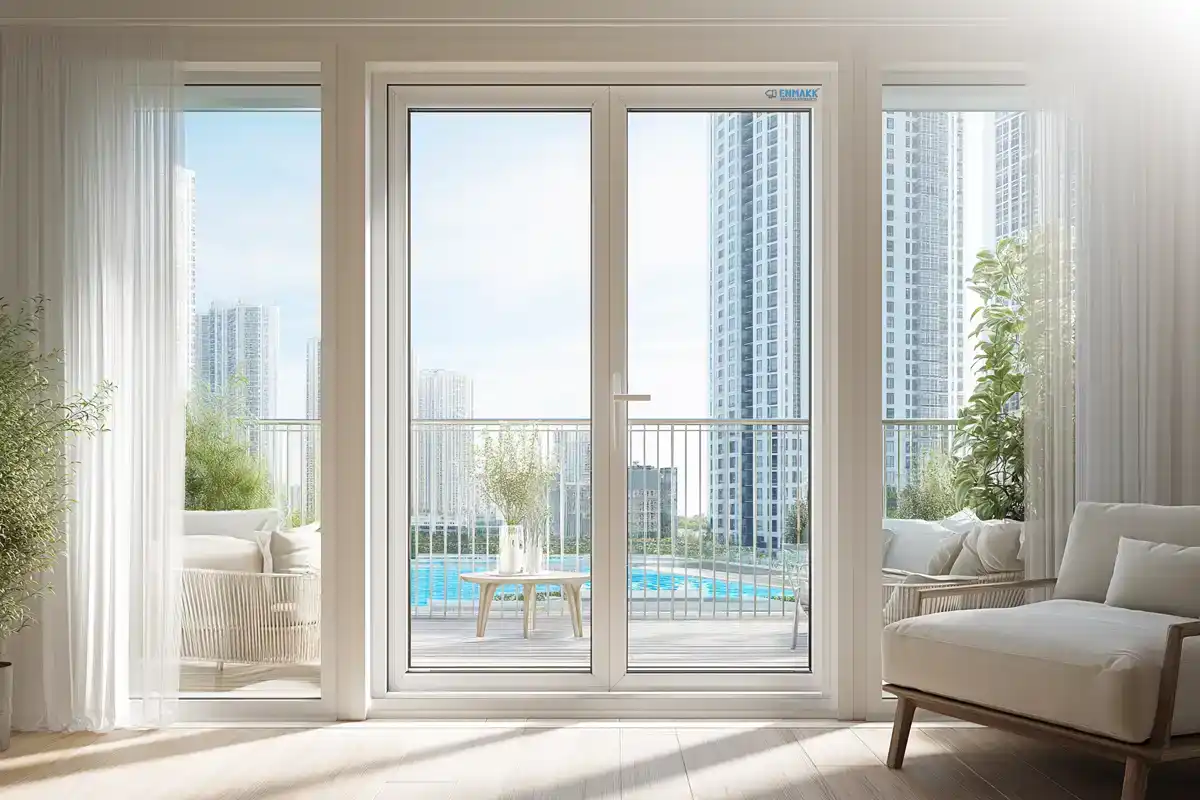
White uPVC doors are a popular choice in Indian homes, as they provide an elegant appearance while being easy to maintain and durable. Furthermore, these doors make a seamless transition between indoor and outdoor spaces and help improve energy efficiency. Furthermore, these durable yet low maintenance options can even save on costs over time!
uPVC doors are moisture and termite resistant, suitable for homes in any climate, and offer excellent insulation properties that help reduce heating and cooling bills.
These doors also come in various designs to match different home layouts. Designs may feature unique panel arrangements or glass inserts for improved aesthetics and functionality; Pooja room uPVC doors feature smaller frames for ease of use while keeping prayer spaces private and secure.
Design Tips for White uPVC Doors
While white is classic, you can customise your look with frosted glass for privacy in bathrooms or clear double glazing for living room entrances to flood the space with natural light. For a modern contrast, pair white frames with dark-coloured walls or wooden flooring.
uPVC Door Manufacturing
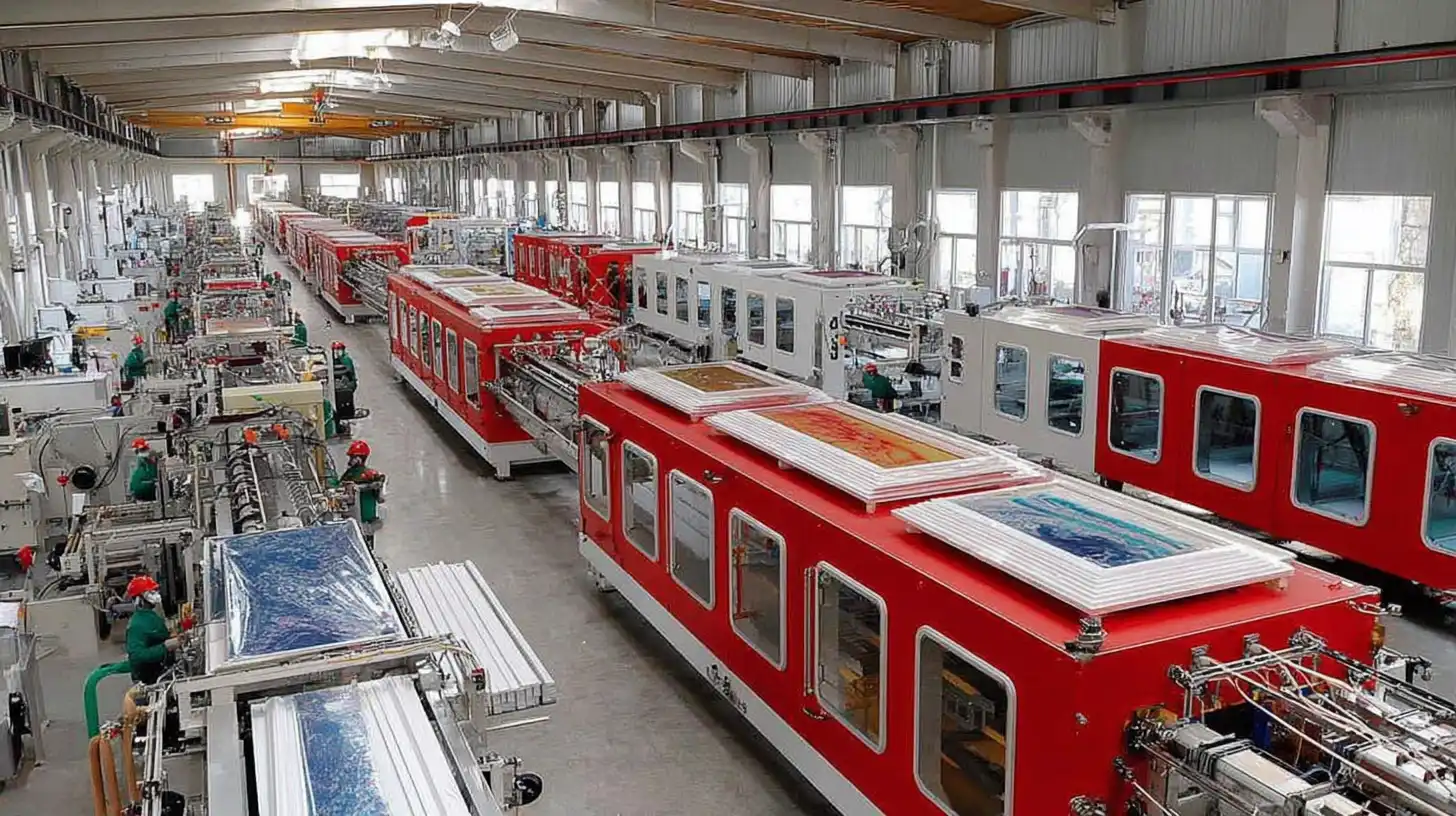
uPVC doors have become increasingly popular with homeowners due to their durability, thermal insulation and enhanced aesthetics. What most don't realize is that there's plenty of technology behind the scenes that makes these high-quality doors and windows possible; specifically UPVC machines which play an integral part in meeting specific quality standards for every door made out of uPVC material.
Cutting profiles to specific lengths is the first step in producing uPVC doors, as any variations in measurements could reduce frame strength. Next, these profiles must be joined together using welding process in order to guarantee solid corners & prevent air infiltration through leaks & gaps in their corners.
Extrusion machines are essential to producing uPVC door assemblies. These machines transform raw UPVC into various profiles for window frames and require extensive knowledge and skill for optimal operation.
The Quality Standard: Why Fabrication Matters
A uPVC door is only as good as its fabrication. Precision in cutting and welding ensures that the door is perfectly square. If a door is even 1mm off, it can lead to air leaks, whistling sounds during wind, and difficulty in locking. This is why using advanced uPVC profiles and professional-grade welding machines is non-negotiable for long-term durability.
Expert Tip: Always ask your supplier if they use reinforced steel inside the uPVC profiles. This adds the necessary structural rigidity for larger doors, preventing them from sagging over time.
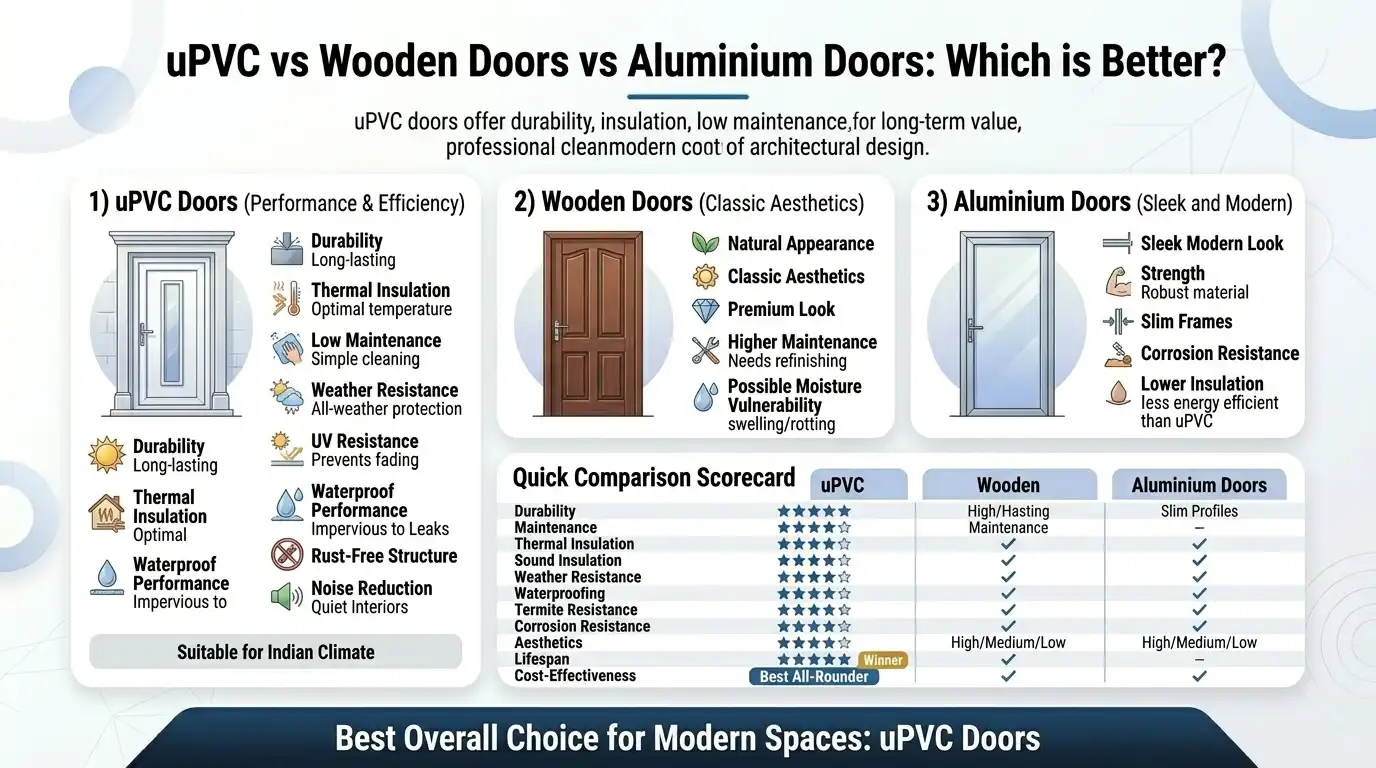
uPVC vs Wooden Doors vs Aluminium Doors: Which is Better?
Choosing the right material is the most critical part of your home's exterior design. Here is how uPVC compares to the other two most popular choices in India.
| Feature | uPVC Doors | Wooden Doors | Aluminium Doors |
|---|---|---|---|
| Durability | High (20+ Years) | Medium (Prone to Rot) | High (Strong) |
| Maintenance | Very Low (Wipe Clean) | High (Polishing/Paint) | Low (Powder Coated) |
| Insulation | Excellent (Thermal) | Good | Low (Conducts Heat) |
| Termite Proof | Yes (100%) | No | Yes |
| Water Resistance | Excellent | Low (Swells in Rain) | High |
| Cost Effectiveness | High Value | Expensive | Medium |
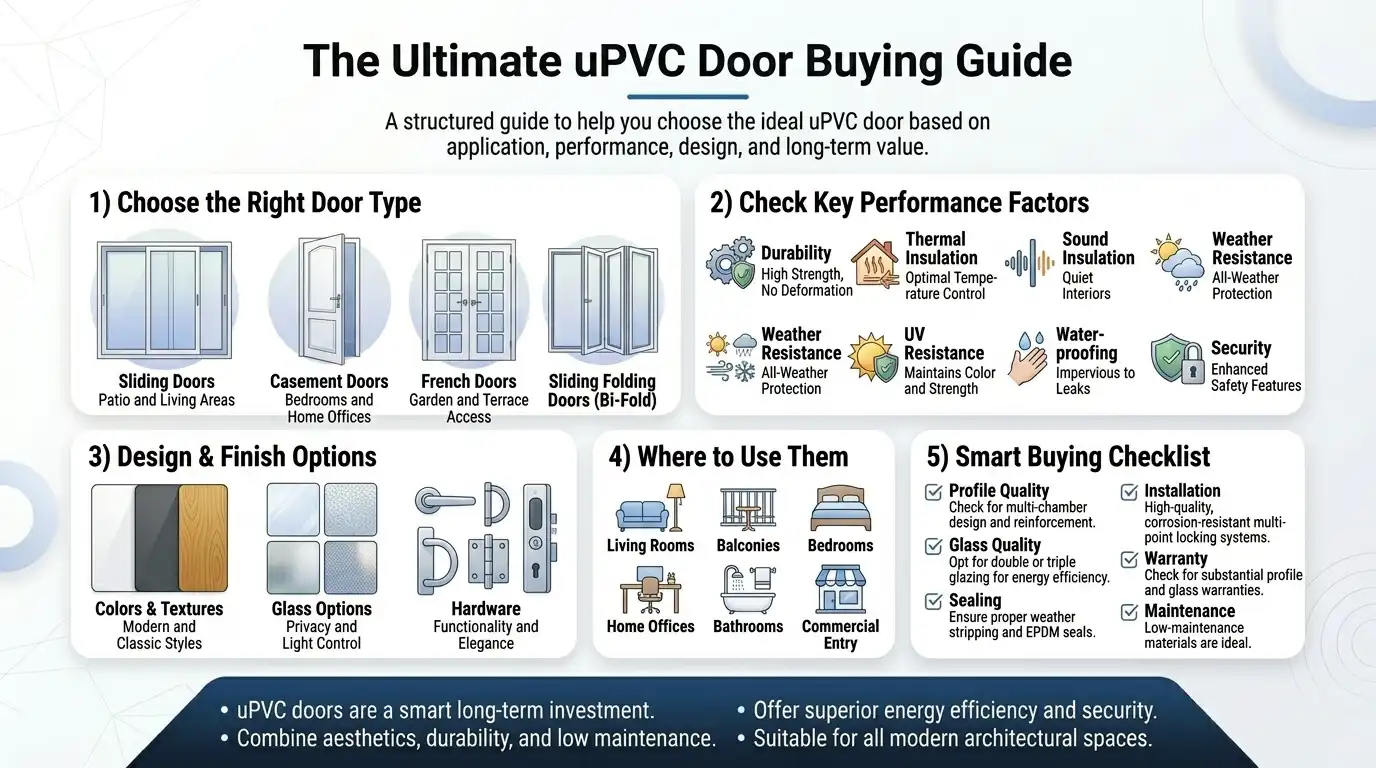
The Ultimate uPVC Door Buying Guide
Avoid the stress of a bad purchase by following this step-by-step buying guide. Whether you are an architect or a homeowner, these factors determine the lifespan of your door.
1. Profile Quality
Don't just look at the colour. Check the wall thickness of the profile. Premium profiles are thicker and have more internal reinforcement chambers, making the door more stable and secure.
2. Glass Selection
For Indian homes, Double Glazing (DGU) is highly recommended. It traps a layer of air between two panes of glass, which blocks heat and sound far more effectively than single glass.
3. Hardware & Locking
Look for Multi-point Locking Systems. Instead of one lock in the middle, these lock the door at 3 to 5 different points, making it nearly impossible to force open.
4. Installation Expertise
uPVC is a precision product. If the installer uses the wrong screws or fails to seal the gaps with high-quality silicone, you will experience air leaks and water seepage.
Buying Checklist: The "Must-Haves"
- UV-Stabilized Profiles (No Yellowing)
- Galvanized Steel Reinforcement inside frames
- EPDM Rubber Gaskets (for airtight seal)
- High-grade Stainless Steel Hardware
- Certified Installation Warranty
Maintenance Guide & Installation Tips
How to Maintain Your uPVC Doors
One of the biggest selling points of uPVC is that it is low maintenance. You will never need to paint or polish it. Here is the recommended care routine:
- Daily/Weekly: Wipe the frames with a damp cloth and mild soap solution.
- Monthly: Clean the glass with a glass cleaner and wipe away dust from the tracks of sliding doors.
- Yearly: Lubricate the hinges and locking mechanisms with a silicone-based spray to ensure smooth operation.
Pro Installation Tips
Avoid "Over-Screwing"
Screwing too tightly can distort the uPVC profile, leading to doors that don't close properly. Professional installers use torque-controlled tools.
Use Premium Sealants
Ensure that a high-grade, weather-proof silicone sealant is used around the edges to prevent rainwater seepage during heavy monsoons.
Design Ideas & Customization Options
Gone are the days when uPVC meant only "plain white" boxes. Modern extrusion technology allows for a wide variety of customisations to match your interior design.
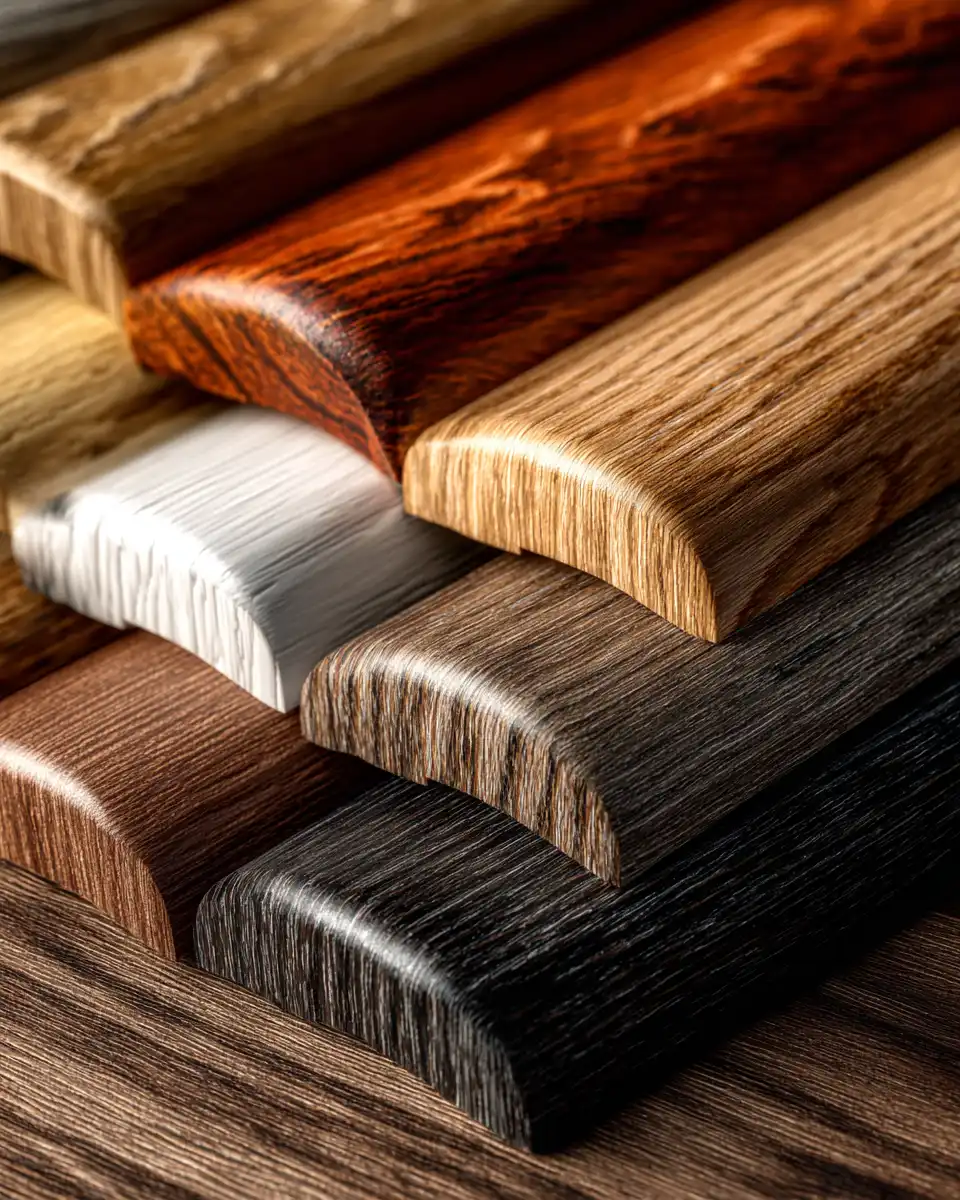
Colour Options
Choose from Golden Oak, Walnut, Charcoal Grey, or Anthracite. These foils are bonded to the profile and are as durable as the white finish.
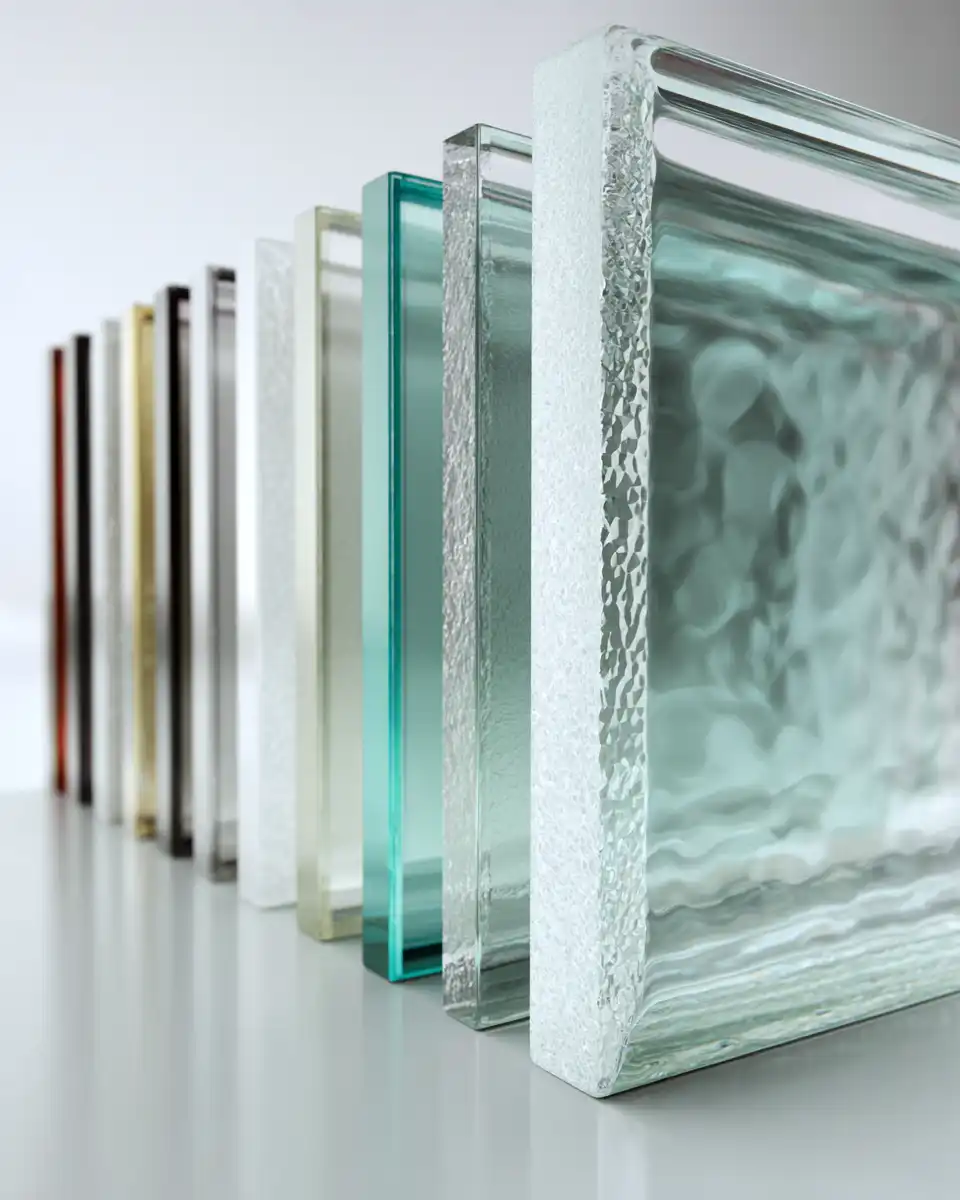
Glass Options
From Toughened Clear Glass for views to Frosted/Obscured Glass for bathrooms and Pooja rooms.
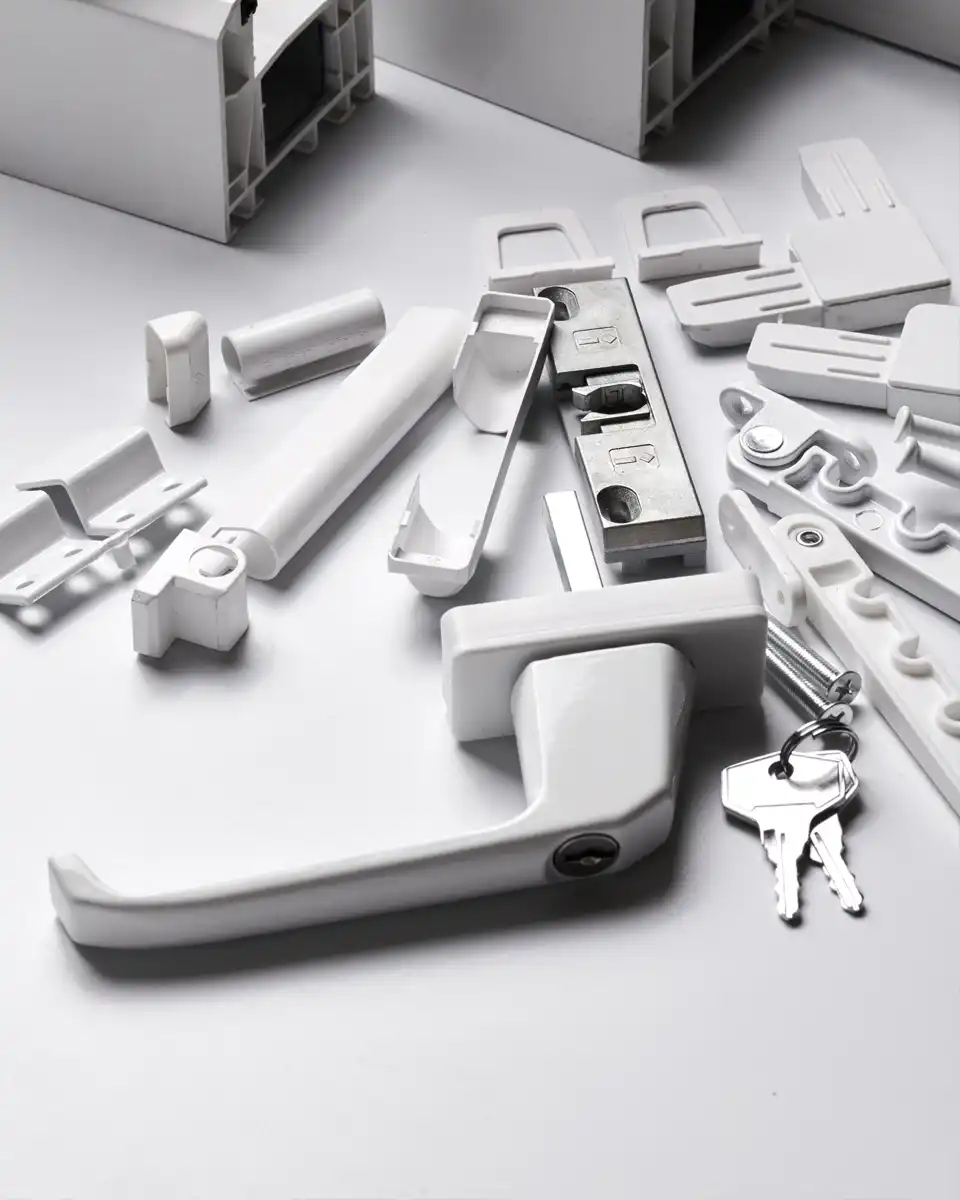
Hardware Styles
Match your home's vibe with Satin Chrome, Matte Black, or Gold-plated handles and hinges.
Design Idea: The "Glass Wall" Effect
If you have a garden or a courtyard, use uPVC Slide & Fold Doors with minimal framing (slim-line profiles). This creates a "glass wall" effect, making your living room feel twice as large and naturally brighter.
Security, Energy, and Environment
Advanced Security
Security is a top priority for Indian homeowners. Premium uPVC doors feature Multi-Point Locking. Unlike a single bolt, these locks engage at multiple points along the frame, making it extremely difficult for intruders to pry open.
Environmental Benefits
uPVC is 100% recyclable. By reducing the need for timber, we protect forests. Moreover, the energy-saving properties of uPVC doors reduce your home's carbon footprint by lowering AC usage.
Energy Efficiency Explained
uPVC has a very low thermal conductivity. This means it doesn't allow heat from the outside to seep into your home. When combined with Low-E (Low Emissivity) Glass, it reflects heat away, keeping your interiors cool even in 45°C Indian summers.
Why Choose ENMAKK uPVC Doors?
When it comes to uPVC extrusion and fabrication, precision is everything. At ENMAKK, we don't just sell doors; we engineer them for the Indian environment.
- Precision Extrusion: Our state-of-the-art machines ensure every profile is perfectly aligned and multi-chambered for maximum insulation.
- Weather-Tested: Our products are designed to withstand the extreme humidity of coastal regions and the dry heat of the North.
- End-to-End Support: From custom design and fabrication to professional installation and warranty, we provide a seamless experience.
Frequently Asked Questions (FAQ)
Conclusion: Making the Right Choice for Your Home
Investing in your home is about more than just looks; it is about quality of life. We have seen how uPVC Windows and uPVC Doors improve comfort and security by protecting you from the heat and blocking out the noise.
Whether you are a homeowner, an architect, or a builder, uPVC is the clear winner. It is strong, energy-efficient, and looks great. By choosing the right profile, the right glass, and a professional installation team, you ensure a peaceful and cool home for decades to come.
Ready to upgrade your home with the best uPVC solutions? Visit our Gallery to see our latest projects or Contact Us today for a free expert consultation and a detailed quote.
Looking for Premium uPVC Doors for Your Home?
Get a free consultation from the experts at ENMAKK and discover the perfect door system for your space.
